The Apostle Paul writes: “For when we were yet without strength, in due time Christ died for the ungodly. For scarcely for a righteous man will one die: yet peradventure for a good man some would even dare to die. But God commendeth his love toward us, in that, while we were yet sinners, Christ died for us” (Romans 5:6–8).
I once had a discussion about the Cross of Christ with an Indian Orthodox priest. Among other things, he told me: “We Orthodox Christians naturally believe that the Cross is the source of our salvation. Yet, when I tell my fellow Indians that the crucified Christ is our salvation, they object and ask, ‘How can someone who was crucified possibly save the world?’”
They would be right if the Lord who was crucified were merely a man. If that were the case, how could He save you while He Himself was nailed to the Cross? If He could not save Himself, how could He save you? Above all, how could He save the entire world?
Here, however, lies the heart of the matter: Christ was not merely a man but also God. Yet this raises another question: If He was God, how were human beings able to crucify Him?
Can God be crucified?
Human beings, of course, cannot crucify God when He does not permit it. But when He wills it, when He willingly delivers Himself into their hands so that they may crucify Him, then they are able to do so.
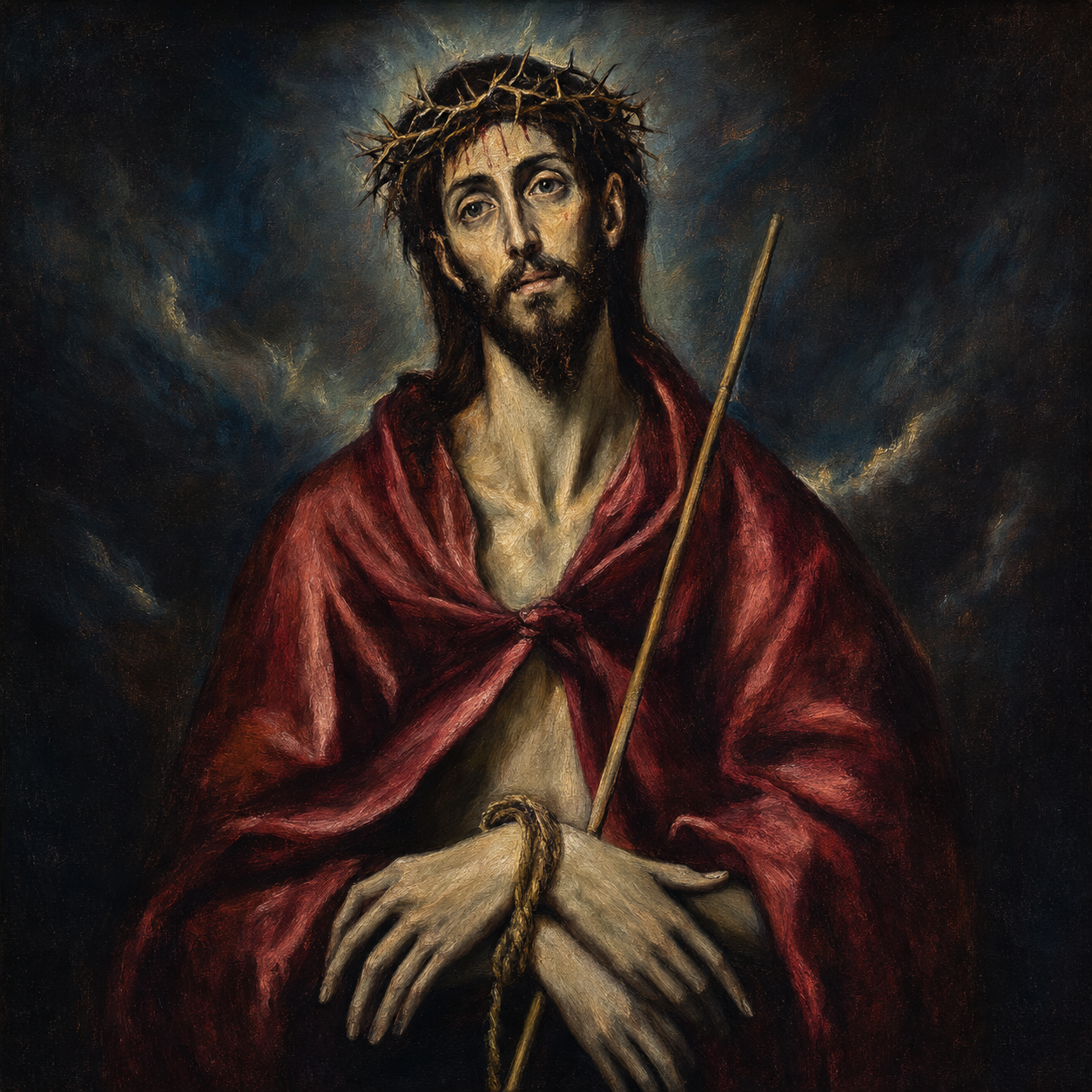
Herein lies the greatness, not of those who crucified Him, but of Christ Himself. He willingly surrendered Himself to them so that, through His suffering and death as man, He might pay the price for our sins.
We sinned, and Christ paid for our sins. In other words, Christ did for us what we ourselves would have had to suffer because of our sins. He was crucified and offered Himself as a sacrifice. In this way, He placed before us the gifts of forgiveness and salvation, ready to be received. All that remains is for us to accept what He offers.
Those who have accepted this gift know from their own experience that the Cross of Christ is both power and salvation. As the Apostle Paul says: “For the preaching of the cross is to them that perish foolishness; but unto us which are saved it is the power of God” (1 Corinthians 1:18).
For those who are walking on the path of salvation, the message of the Cross is the power of God. For those, however, who have not accepted this gift and are following the path to destruction, the Cross of Christ appears to be foolishness.
There is one more point that is equally fundamental. The Son of God became man for a unique and specific purpose. He came not merely to accomplish our salvation, for He could have done that through an angel, but to offer Himself as a sacrifice for our salvation. How could He have offered Himself as a sacrifice if He had not become man?
From the very moment He became man, Christ knew that He would be crucified, and He awaited that hour. Indeed, He longed for it: “But I have a baptism to be baptized with; and how am I straitened till it be accomplished!” (Luke 12:50). This was to be a baptism of blood.
When His hour drew near, “they were in the way going up to Jerusalem; and Jesus went before them: and they were amazed; and as they followed, they were afraid” (Mark 10:32). They were filled with awe and fear, for His face shone with divine radiance. Nevertheless, in order to experience the human condition in all its fullness, He, though God, permitted His human nature to undergo this unbearable suffering, and He truly endured it.
His glory was His Passion, not His miracles
Christ Himself chose the day on which He would deliver Himself into the hands of those who would crucify Him. Before that appointed hour, when they sought to put Him to death, He declared: “My time is not yet come” (John 7:6). But when He judged that the proper moment for His Crucifixion had arrived, He said to His Father:
“Father, the hour is come; glorify thy Son” (John 17:1).He calls His painful and humiliating death on the Cross “glory” because He humbled Himself and offered Himself as a sacrifice for the salvation of humankind, out of His great love.
“We praise Thee for Thy great glory,” we chant in our Church.
If you found this article helpful, feel free to share it with someone who may also benefit from it.
Leave a Reply