
Author: fr. Vassilios B.
-

Why Is the Icon of the Theotokos Called Hodegetria?
“Hodegetria” is a Greek word meaning “She Who Shows the Way.” There must, therefore, have been a particular reason why this icon came to be known as the Hodegetria. Besides being an Apostle, the Evangelist Luke was also a painter. One day, he met Mariam and was so amazed by Her grace and dignity that…
-
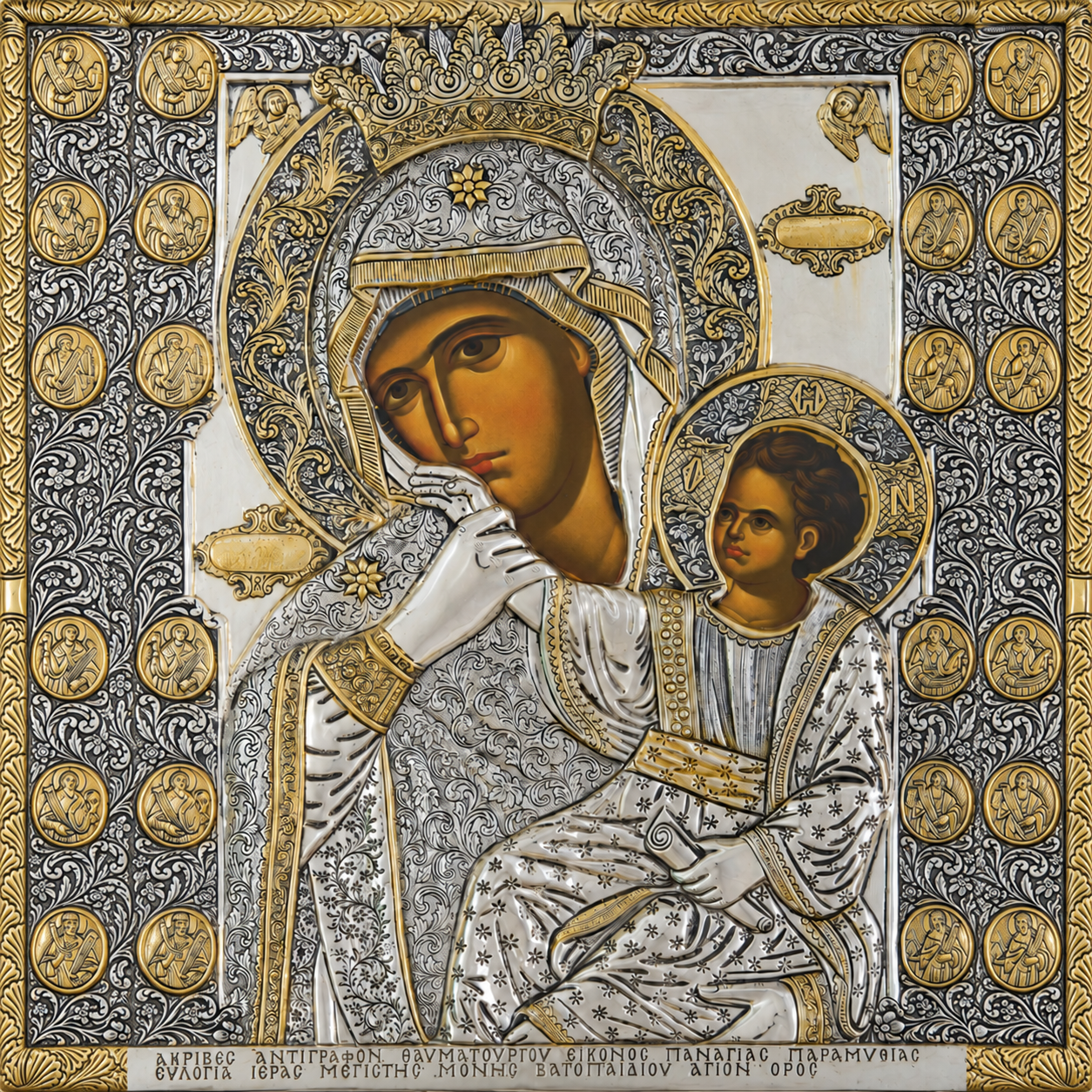
Does the Theotokos “Quarrel” with Her Son?
Because Christ is her Son, the Theotokos can approach Him with a mother’s boldness and even express her objections. And indeed, she does! Here is an example. At the Holy Monastery of Vatopedi, there is a fourteenth-century fresco icon of the Mother of God known as “Panagia Paramythia,” or “Our Lady of Consolation.”In earlier times,…
-
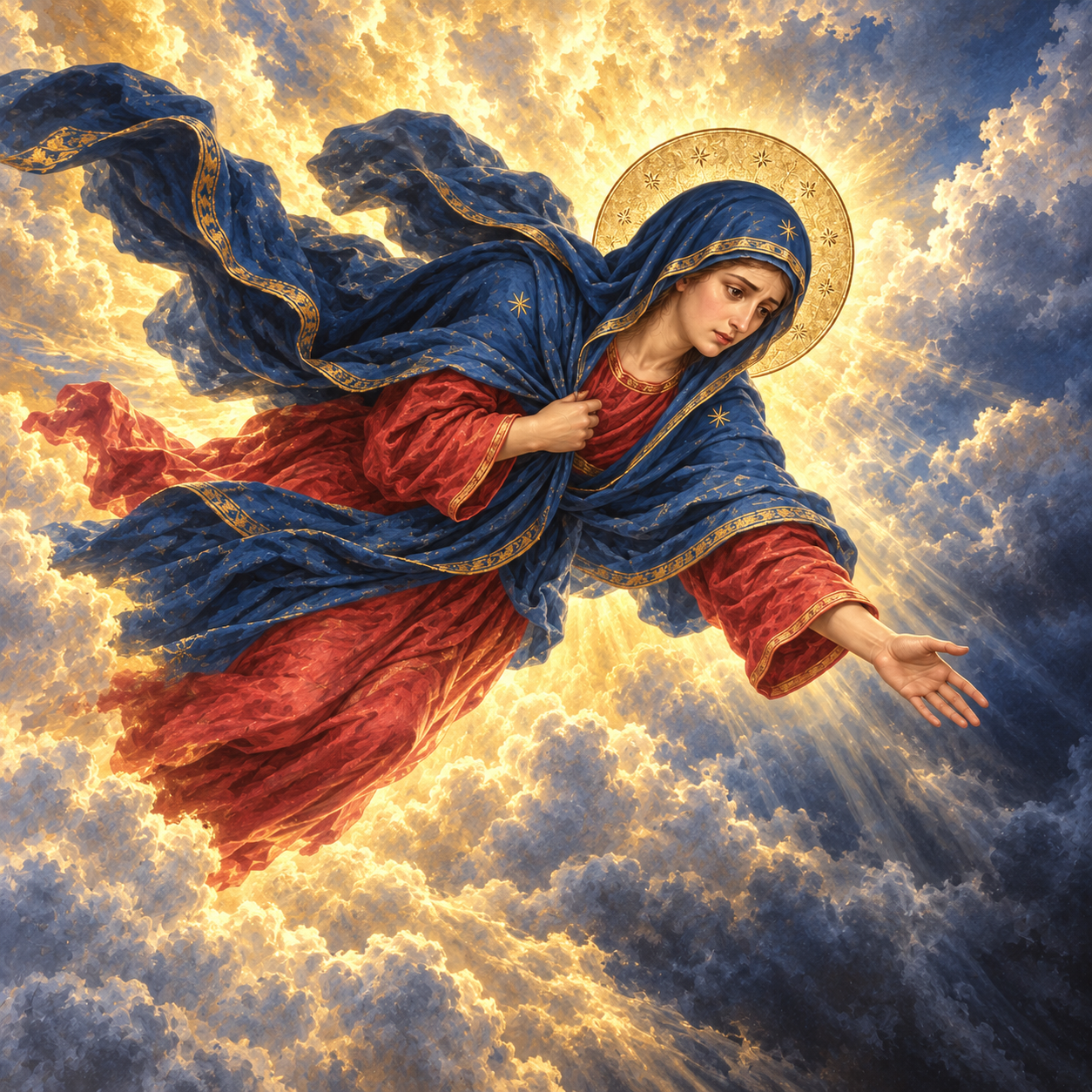
Where Is the Theotokos Now? The Mystery of Her Translation.
The Theotokos, then, died and was buried in the Garden of Gethsemane. But what happened next? That is what we will explore now. The Apostle Thomas was not present at the funeral of the Virgin Mary, although we do not know exactly why. Divine Providence had arranged it in this way (Saint John of Damascus,…
-

The Dormition and Funeral of the Theotokos
According to tradition, the Virgin Mary was more than seventy years old when the time of her Dormition drew near. Fifteen days before her departure from this earthly life, she sensed that the end was approaching. In her profound humility, she feared that her soul might be tested at the aerial toll houses (Ephesians 6:12).…
-

Why Did the Theotokos Die?
“O strange wonder! The Source of Life is laid in a tomb,” proclaims the sacred hymnography at Vespers for the Feast of the Dormition, celebrated on August 15.The hymnographer marvels at the mystery of the Virgin Mary’s death. She lived without personal sin and gave birth to Jesus Christ, the Conqueror of death. How, then,…
-
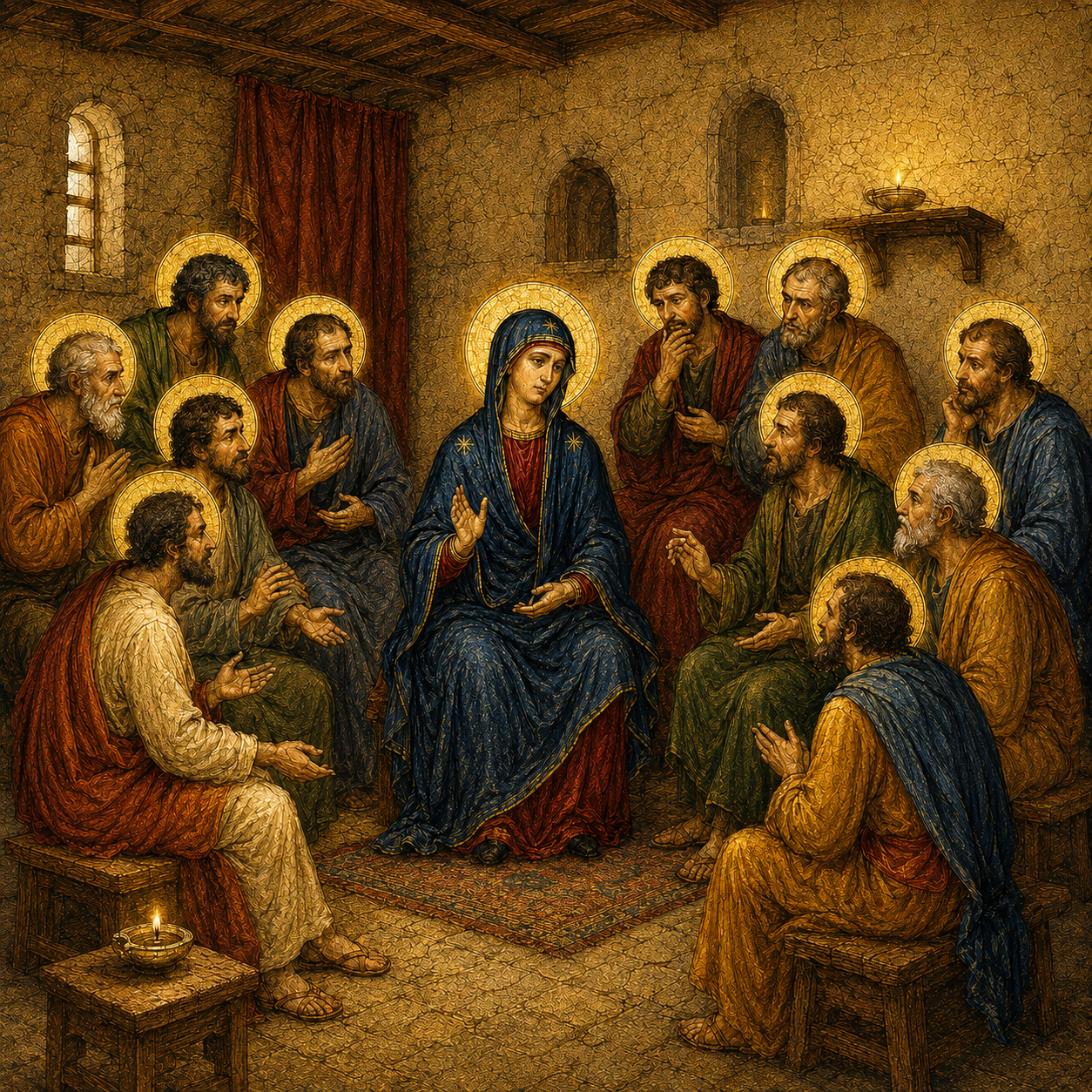
The Life of the Theotokos After the Ascension of Jesus
Mariam stayed with John in the Upper Room in Jerusalem. She spent her nights praying to her Son. Her prayers were accompanied by reverent bodily acts, such as kneeling and prostrations (metanoies), as she worshipped her Son throughout the night. Prolonged kneeling caused swellings resembling eggs to form on her knees. Indeed, resting her knees…
-
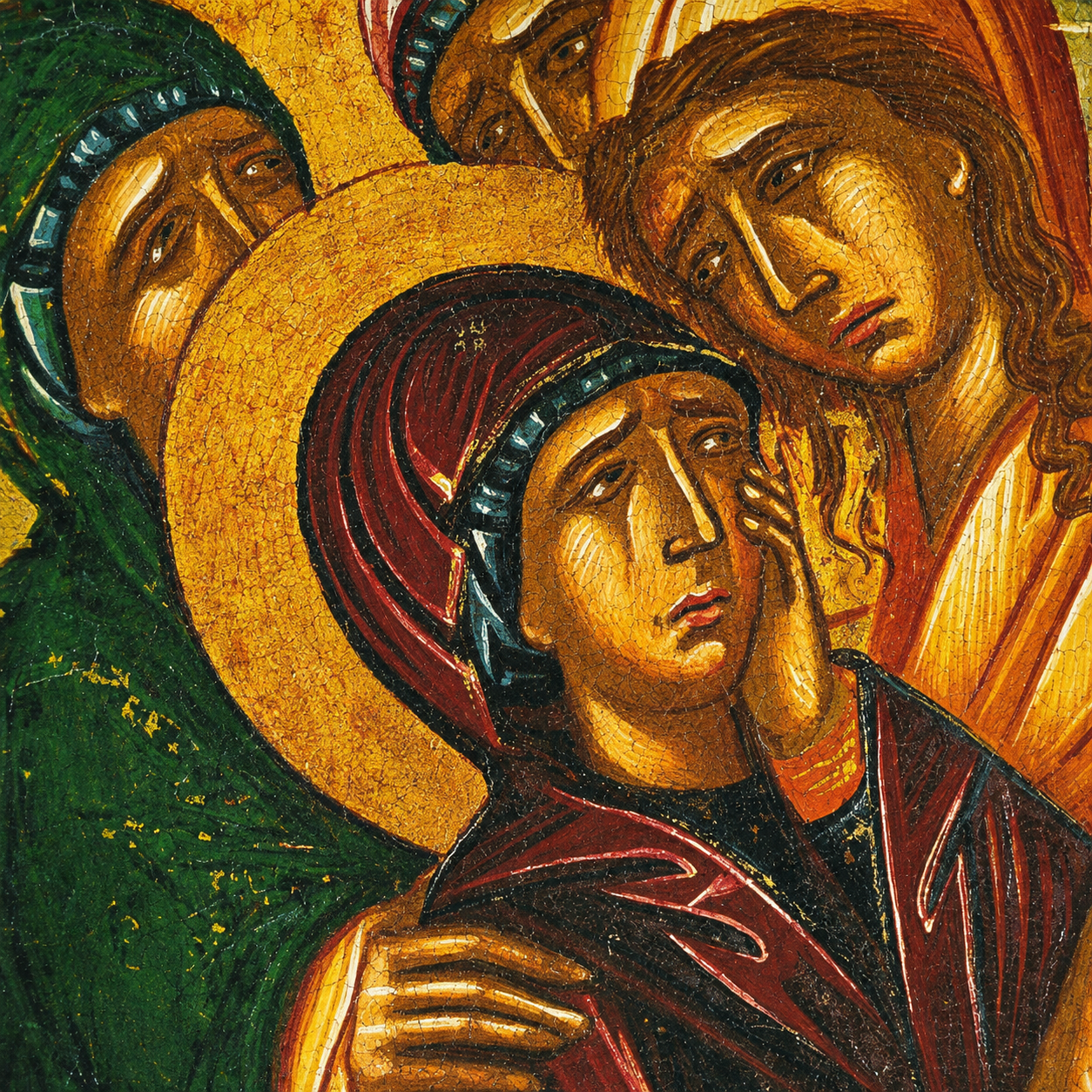
The Theotokos’s Sorrow During Jesus’ Ministry and Passion
Shortly before the end of His earthly life, Christ said, “If they persecuted Me, they will also persecute you” (John 15:20). The three years of Christ’s public ministry were marked by persecution. A proverb asks, “Who has ever seen a son on the cross and his mother at the table?” Who has ever seen a…
-

How Did the Holy Family Support Themselves in Egypt?
We do not know how long the Holy Family remained in Egypt. Some say three years, while others say five. Afterward, they returned and settled not in Bethlehem, as they had originally intended, but in Nazareth (Matthew 2:23), where they lived in a dwelling resembling a cave. Let us suppose that the journey from Bethlehem…
-

Why Did God Choose Egypt as a Refuge for the Holy Family?
Arise, take the young Child… flee to Egypt… for Herod will seek the young Child to destroy Him” (Matthew 2:13), the angel told Joseph. There were many ways in which God could have saved the infant Christ from Herod’s sword without requiring Him to flee to Egypt. He could, for example, have made the Child…