Category: Hagiology
-
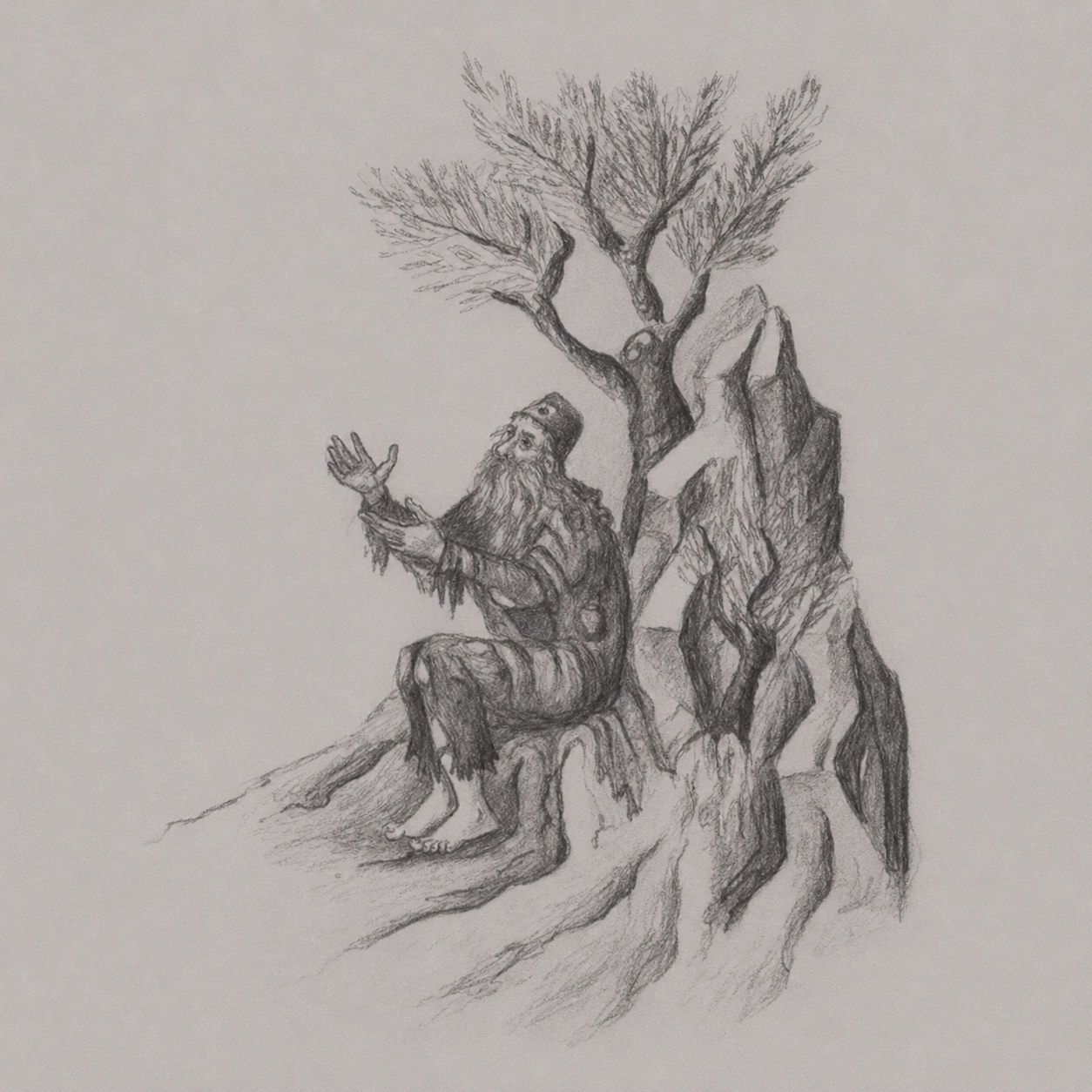
3.Symeon Becomes a Monk
Symeon had made a vow to God—not to man—to become a monk. The way had now been opened for him to fulfill his vow. At that time, those who entered monastic life severed all ties with their former life. The long-awaited moment had come for the twenty-four-year-old Symeon to bid his parents farewell forever. They…
-
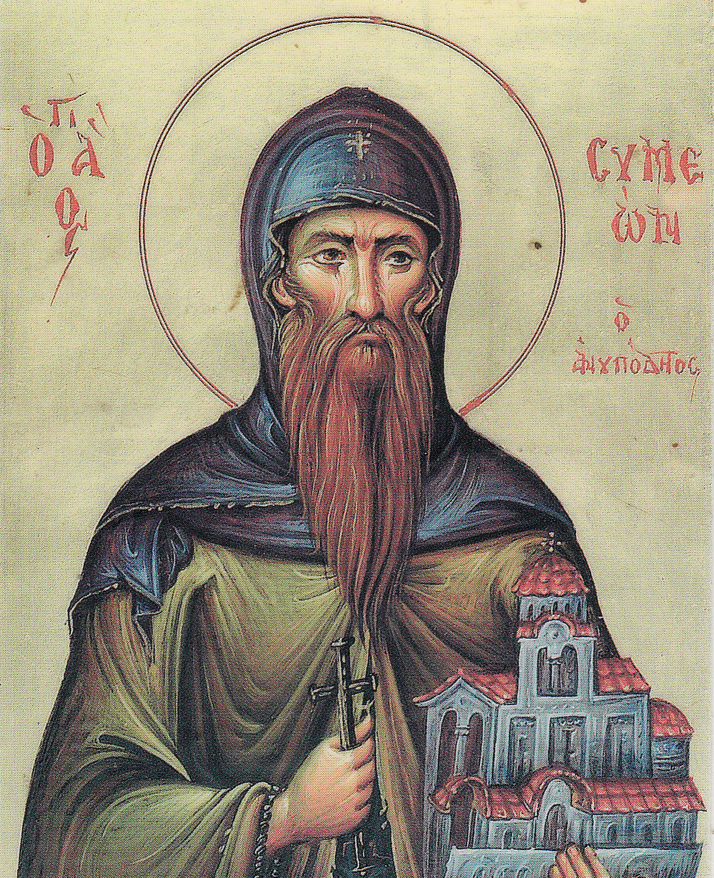
2.Stormy Events and a Great Shock
This marks one of the most painful trials in the life of Saint Symeon the Barefooted. The newly married couple began their life together. They worked hard in their village, in the vineyards, in the fields, and among their livestock to earn their livelihood. Time passed. However, Symeon had made a vow to remain a…
-
1.Trials of a Married Monk: Saint Symeon the Barefooted
He was born during one of the darkest periods in Greek history. He came into the world in 1486, in the early decades of Ottoman rule, not long after the Fall of Constantinople. His life would unfold through a series of extraordinary events that continue to astonish those who learn of them. Until ?is Marriage…
-
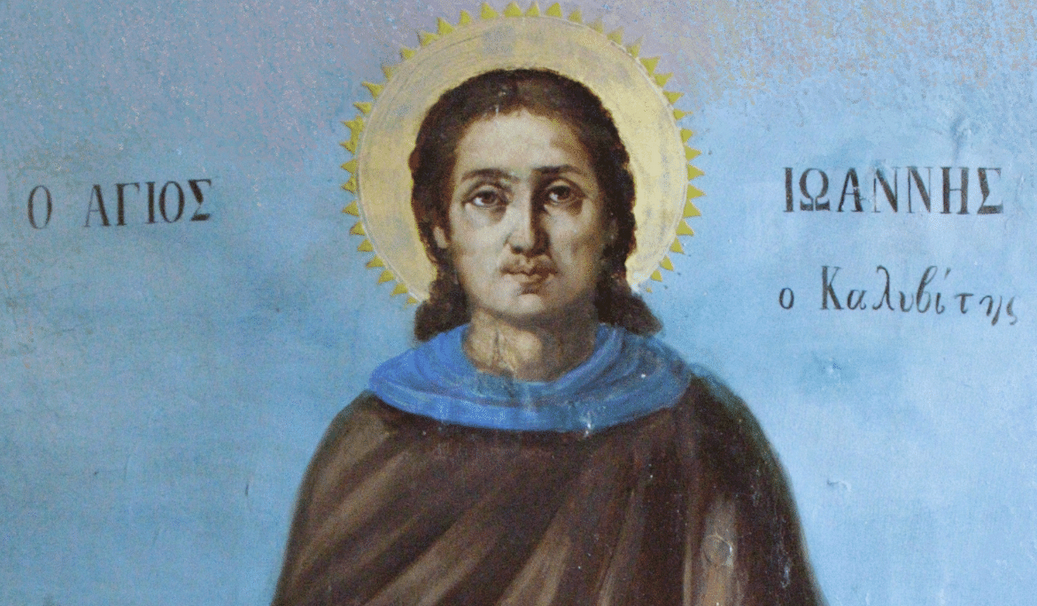
Saint John the Kalyvite: A Hermit in His Own Courtyard
He lived in the fifth century. His title, “Kalyvite,” comes from the Greek word kalyva, meaning “a small hut,” because he lived in such a dwelling. His life is deeply moving, dramatic, and profoundly instructive. Here is a brief account of it. His parents, citizens of Constantinople, were wealthy, respected, and devout Christians. They gave…
-
The Hermit Who Risked Everything to Save a Soul
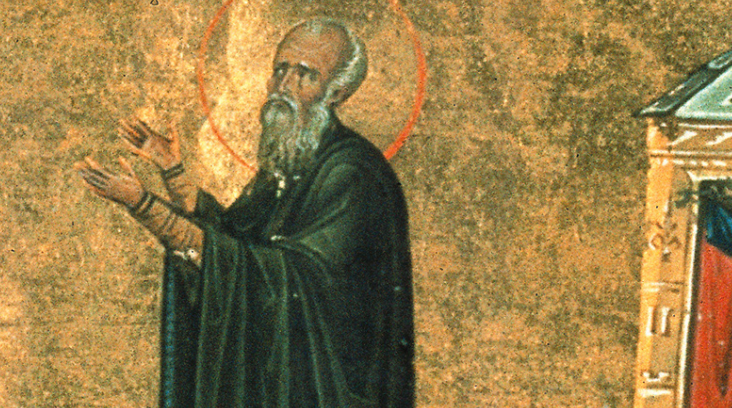
What follows is one of the most moving stories in the Orthodox Church—a story of Abramius, an elderly hermit, and his young niece, Saint Mary of Edessa. Let us approach this account with due reverence, for it recounts the lives of two Saints. Abramius was born at the end of the third century into a…
-
Personal Experiences with Saint Paisios the Hagiorite
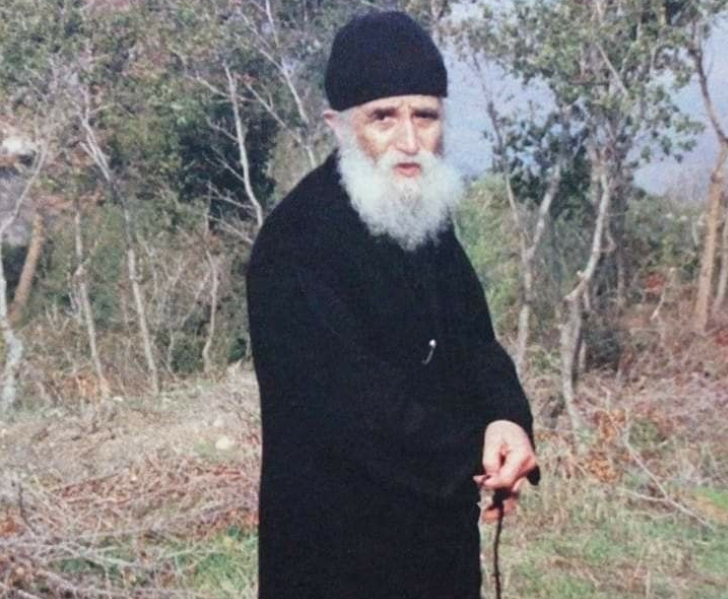
I had the blessing of meeting Saint Paisios the Hagiorite on three occasions. Each of these encounters proved to be a profound and instructive spiritual experience. First group visit – 1972 In the summer of 1972, a group of students visited Saint Paisios at his remote cell, the Holy Cross, which belonged to the Holy…
-
The Lord’s Prayer Explained by Saint John Chrysostom
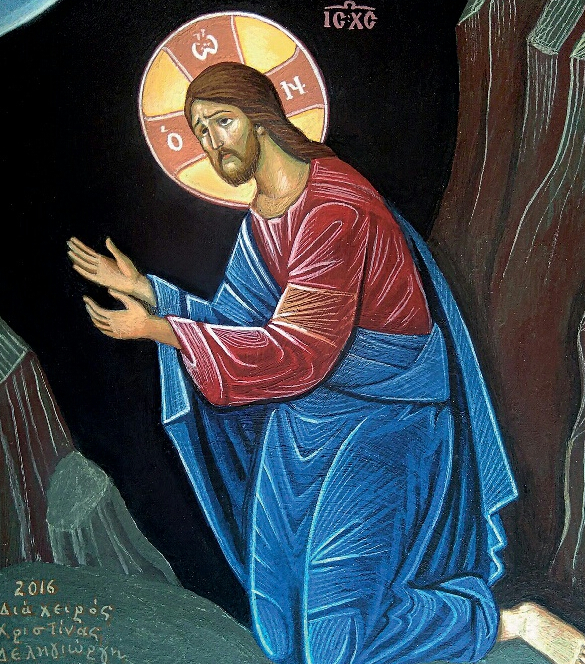
(Homily XIX on the Gospel of Matthew) We present the relevant homily in summary form and in a free translation, conveying its exact meaning. “Our Father”. It does not say “my Father,” but “our Father.” This is intentional, so that we may fully understand that we are all brothers among ourselves. Christ calls our neighbor…
-
Saint John Chrysostom: Death, Relics, and His Forgiveness of Eudoxia
Shortly before reaching Comana, the Apostles Peter and John appeared to him once again. They told him: “We come on behalf of the Lord; we announce to you that in a few days you will be with us. Eudoxia will be consumed by worms and will die helplessly.” (George the Patriarch, ibid., Chapter 69) Arriving…
-
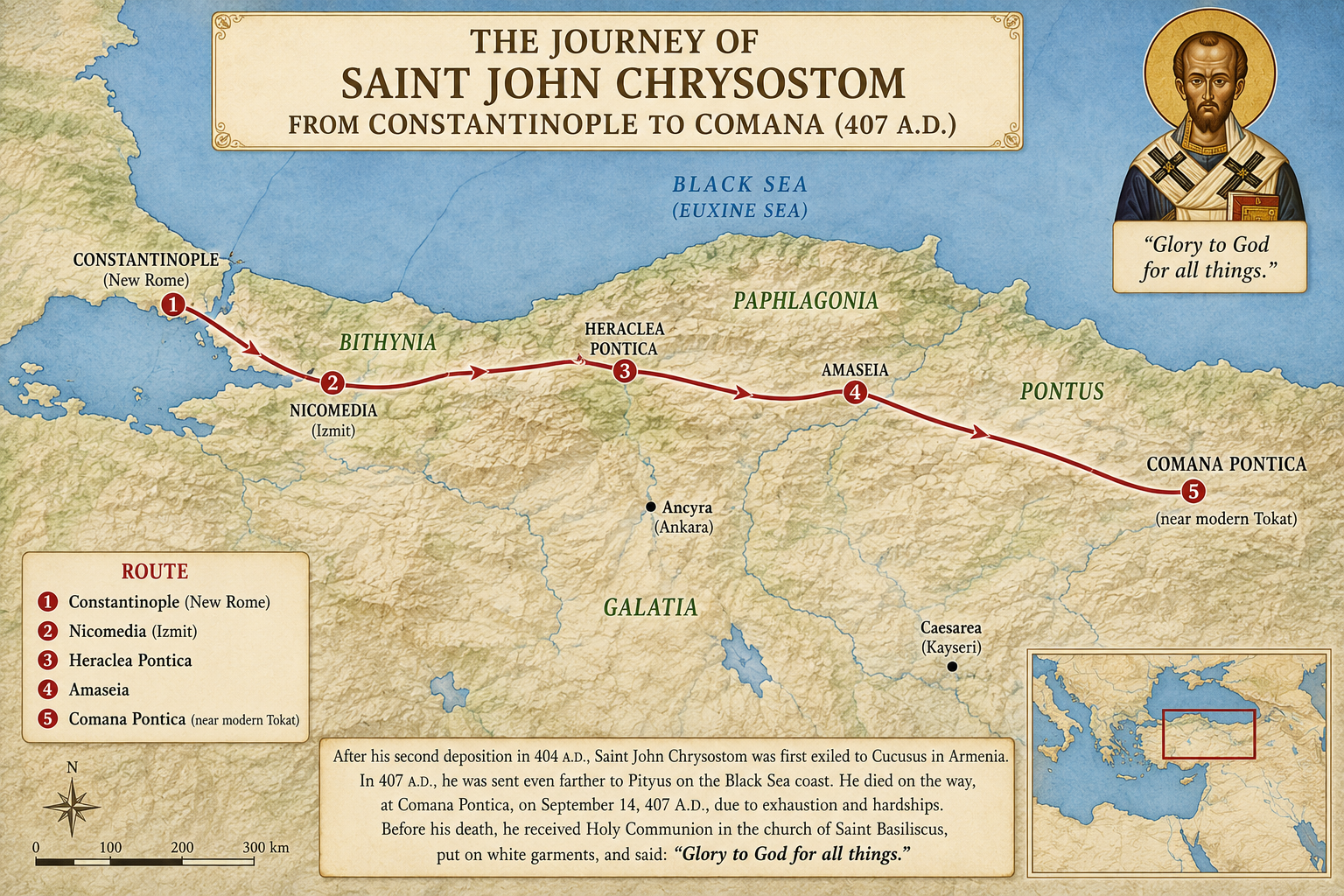
The Second Exile of Saint John Chrysostom: Signs and Divine Judgment
Shortly before the second exile of Saint John Chrysostom, extraordinary events took place in Constantinople. In June, a fire broke out from the throne from which Saint John Chrysostom had preached. The flames arched through the air, spread over a great distance, and burned several houses, yet they miraculously avoided harming either people or animals,…