Twelve years had passed since Saint John Chrysostom was ordained a priest in Antioch. He had become deeply united with the faithful, serving them with humility and spiritual wisdom within the Early Christian Church. Yet, divine providence was guiding him toward a greater mission in the Byzantine Church.
At that time, the Archbishop of Constantinople, Nectarius, had reposed. The Church and the imperial court began deliberations concerning his successor. Emperor Arcadius, having heard of Saint John Chrysostom’s reputation for holiness and eloquence, sent a request to Bishop Flavian of Antioch to send John to Constantinople.
Arcadius wrote to Flavian:
“It is not fitting that Antioch alone should enjoy the wisdom of so great a man as John, while we are deprived of it. He must come and adorn the Church of Constantinople.”
Bishop Flavian informed Saint John Chrysostom of the imperial request. The saint, in his humility, replied:
“Am I, a wretched man, worthy of such a calling?”
The bishop answered firmly:
“It is the will of God; it must be done.”
The Reaction of Antioch
When the faithful of Antioch learned that a delegation from Constantinople had arrived to take Saint John Chrysostom, they were deeply distressed. They gathered outside the episcopal residence, crying out:
“We will not allow the gift of God to leave our city!”
The bishop attempted to calm the crowd, explaining that the order came from Emperor Arcadius and could not be resisted. However, the people remained distressed and deeply attached to their spiritual leader.
The Hidden Departure to Constantinople
Fearing riots and bloodshed, Bishop Flavian withdrew and attempted to manage the situation carefully.
Eventually, a plan was formed: the governor of Antioch instructed Saint John Chrysostom to travel to Martyria outside the city. Trusting the official command, he went without suspicion.
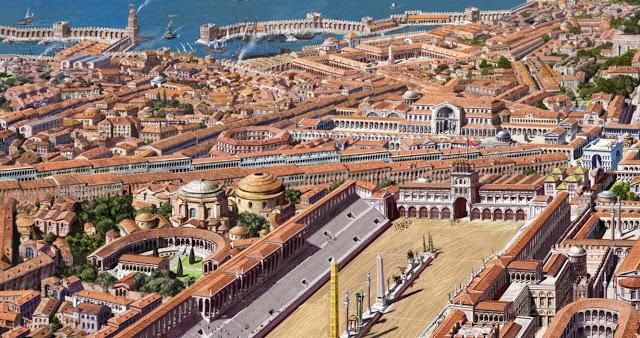
There, an imperial delegation awaited him and escorted him to Constantinople, the heart of the Eastern Roman Empire.
The citizens welcomed him with honor, recognizing his spiritual authority and reputation within the Early Church.
Until his ordination, Saint John Chrysostom stayed in the episcopal residence. By imperial decree, many bishops were summoned for his consecration.
Among them was Theophilus of Alexandria.
Thus, in 397 AD, Saint John Chrysostom became Archbishop of Constantinople at the age of fifty-two, marking a major moment in Byzantine Church history.(George of Alexandria, Exegesis, Chapter 20)
?ext article in this series: Empress Eudoxia and Saint John Chrysostom: The Causes of Their Conflict
Leave a Reply