Author: fr. Vassilios B.
-
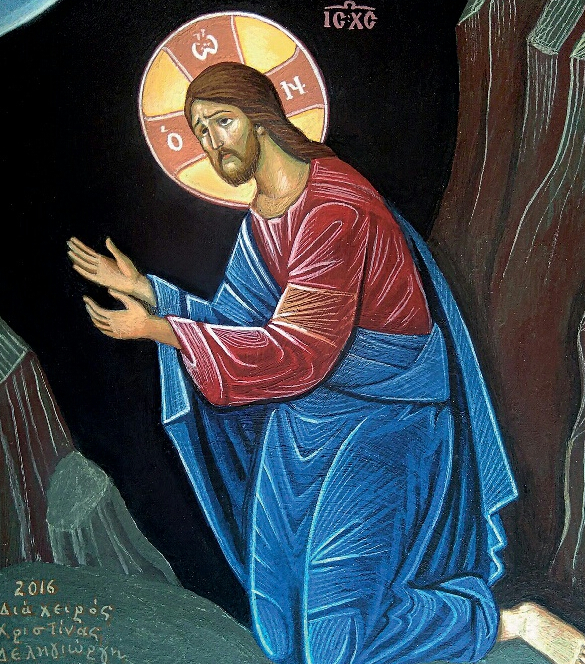
The Lord’s Prayer Explained by Saint John Chrysostom
(Homily XIX on the Gospel of Matthew) We present the relevant homily in summary form and in a free translation, conveying its exact meaning. “Our Father”. It does not say “my Father,” but “our Father.” This is intentional, so that we may fully understand that we are all brothers among ourselves. Christ calls our neighbor…
-
Justice and Mercy in the Old Testament
When we study the Old Testament, let us keep in mind that it is Christ-centered. “We have found the Messiah, of whom Moses in the Law and the Prophets wrote. We have found Him. He is Jesus Christ, the Son of Joseph from Nazareth” (John 1:45). ?herefore the Old Testament cannot be understood apart from…
-
Why Was Jesus Born a Jew?
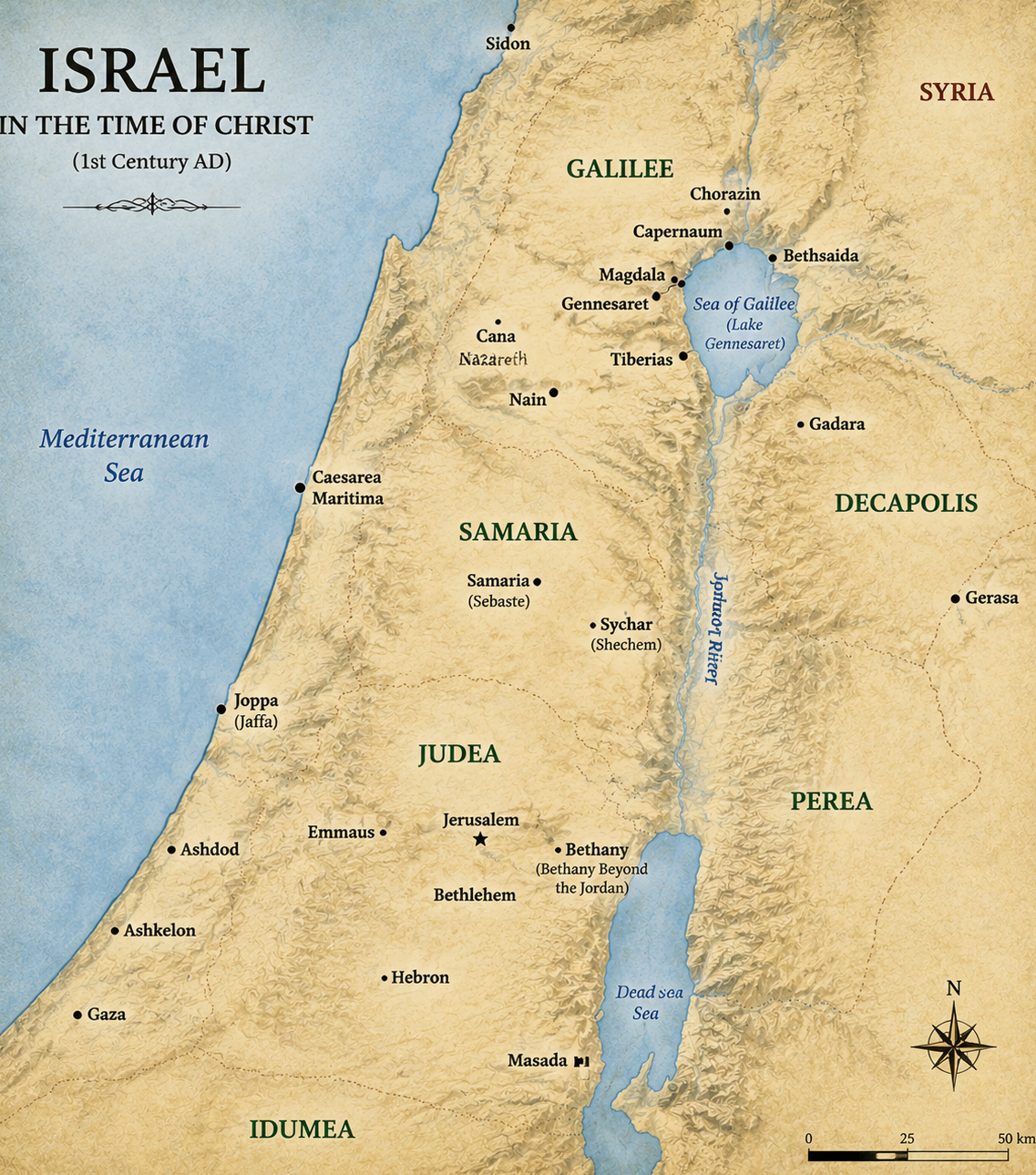
Why did Jesus Christ choose to be born and accomplish the work of our salvation in the land of Israel? One might say: because there the prophets spoke and prophesied of Him. But why there, and not in Persia, Egypt, or Greece? The answer is found in the divine calling of Abraham, the father of…
-
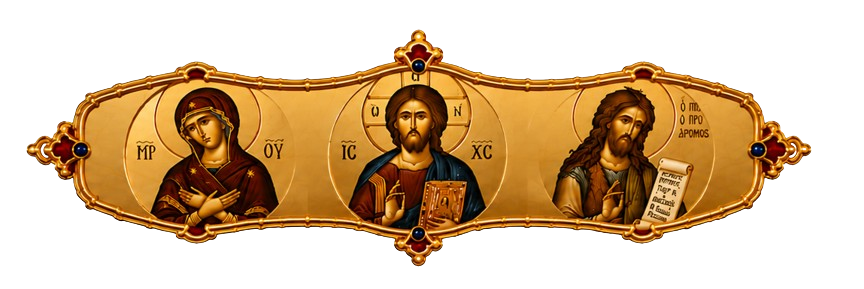
Saint John Chrysostom: Death, Relics, and His Forgiveness of Eudoxia
Shortly before reaching Comana, the Apostles Peter and John appeared to him once again. They told him: “We come on behalf of the Lord; we announce to you that in a few days you will be with us. Eudoxia will be consumed by worms and will die helplessly.” (George the Patriarch, ibid., Chapter 69) Arriving…
-
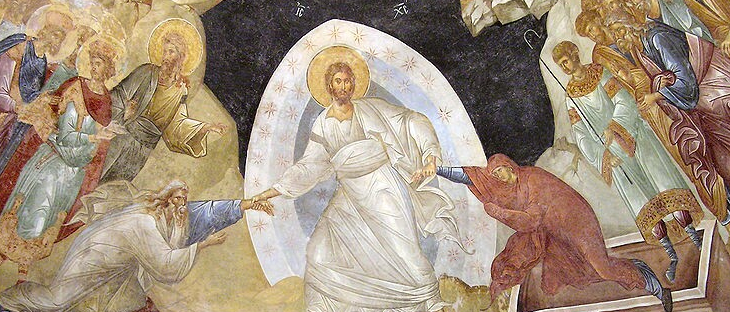
The Ultimate Proof of Christ’s Resurrection
?he first disciple whom the Lord wished to see after His Resurrection His former denier Peter (Mark 16:7), Out of love, He wanted as soon as possible to remove Peter’s guilt and to make Peter feel comfortable with Him. And Peter, knowing the forgiveness of Christ, went to the so called “Small Galilee” (an area…
-
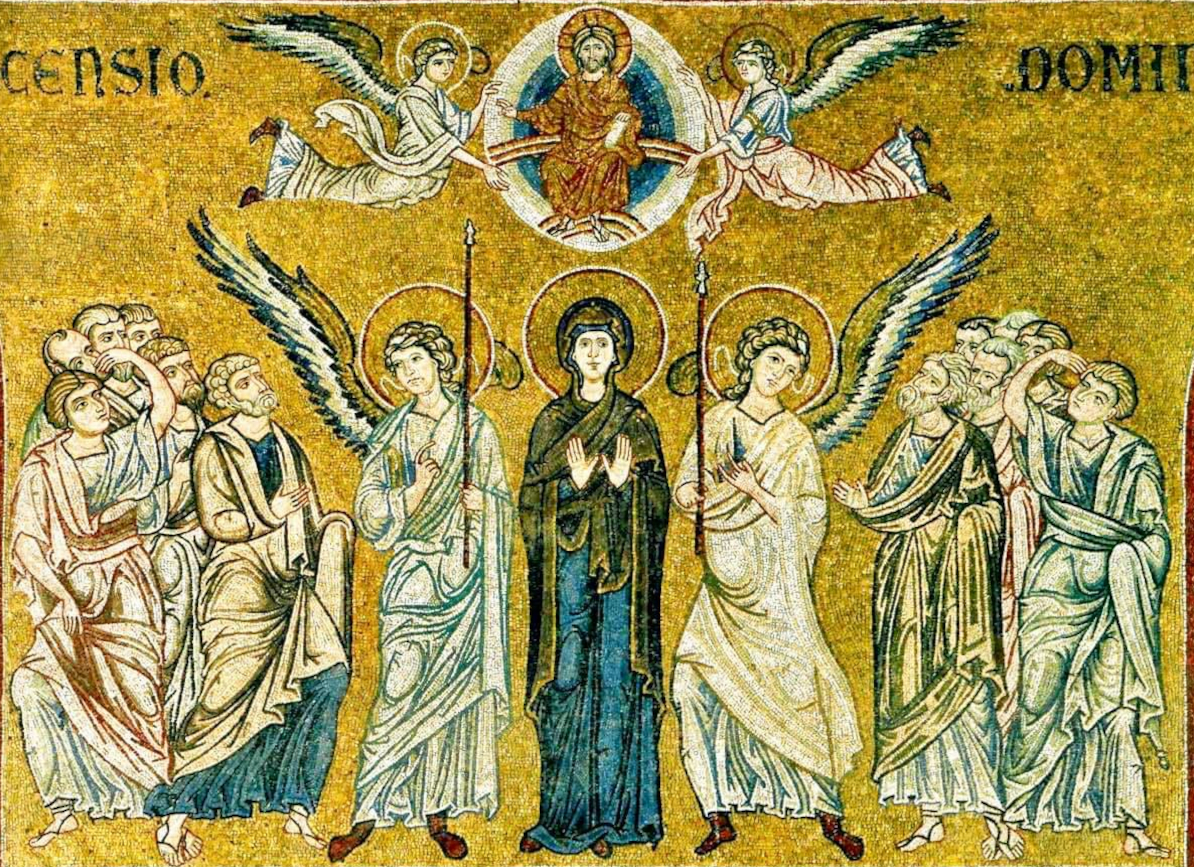
The Ascension and the Four “Bodies” of Christ
The Lord descended in one form and ascended in another: He descended as God and ascended as both God and Man. Although He ascended into heaven, He did not “discard” His human nature. He continues to bear it forever. He remains united with us. Can we truly grasp what this means? His all-holy Body was…
-
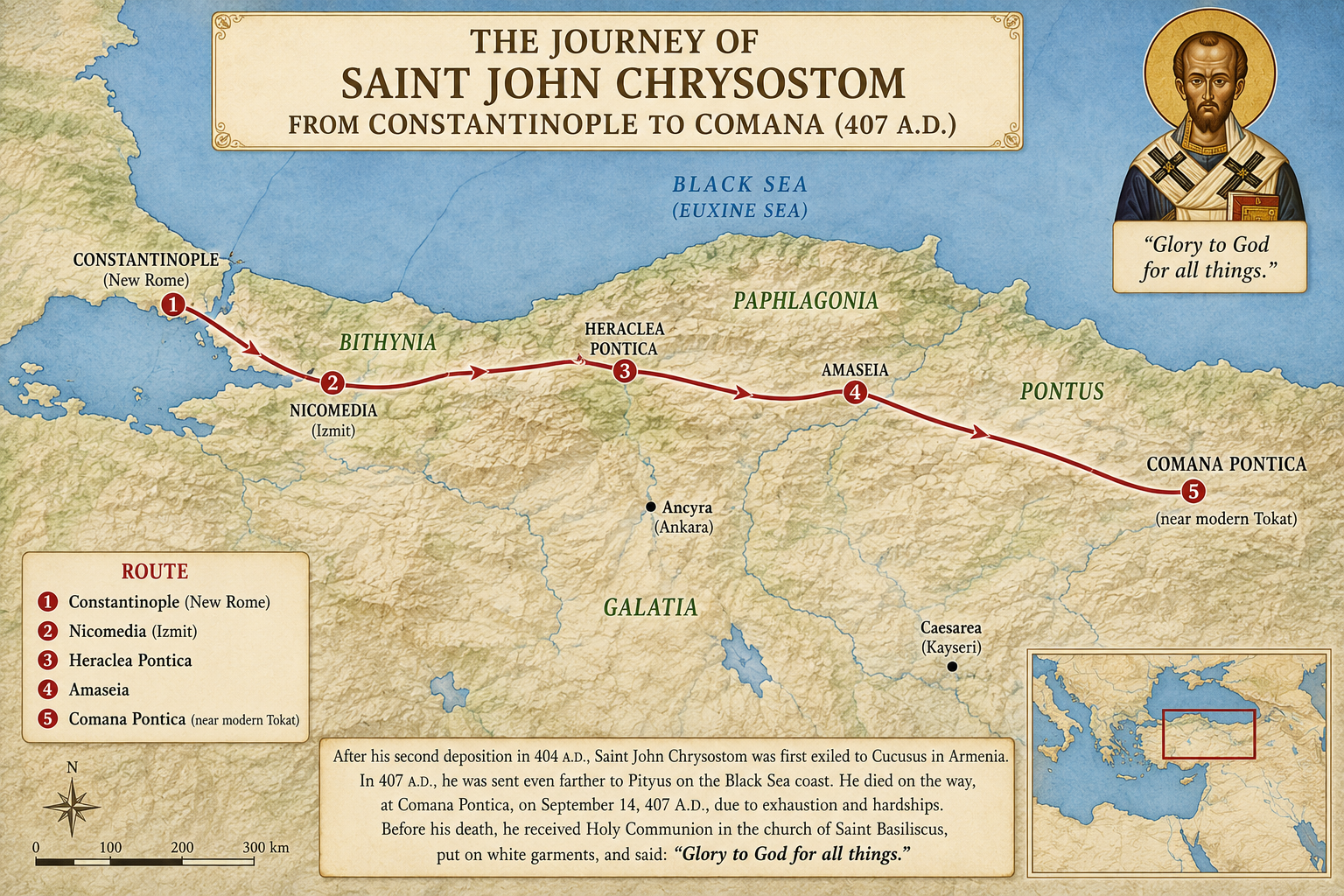
The Second Exile of Saint John Chrysostom: Signs and Divine Judgment
Shortly before the second exile of Saint John Chrysostom, extraordinary events took place in Constantinople. In June, a fire broke out from the throne from which Saint John Chrysostom had preached. The flames arched through the air, spread over a great distance, and burned several houses, yet they miraculously avoided harming either people or animals,…
-
The Ascension of Christ: His Final Miracle Explained
The last act of Christ on earth was His departure from the earth to heaven—that is, His glorious Ascension. He descended to earth in silence; He ascended into heaven in glory. It was indeed a great and deeply moving event. No one knows exactly when this took place—on what precise day or at what exact…
-
First Exile: Earthquake and Aftermath
Until AD 381, the Church of Alexandria was among the most prominent patriarchates in the Eastern Church. After the Second Ecumenical Council, however, Constantinople became the new capital of the Empire and was granted precedence in the East (Canon 3 of the Second Ecumenical Council). This change provoked a strong reaction from Alexandria. As a…