A full stomach, an empty soul; an empty stomach, a full soul. “Mysterious” things. Let us examine them briefly.
Man consists of body and soul. These two elements are so closely connected to each other that, in this earthly life, neither can exist without the other, and for this reason, each directly affects the other. For example, drugs are “introduced” into the body, yet the soul experiences their side effects. Food, too, is “introduced” into the body, yet the soul also experiences its effects. Heavy food puts the soul to sleep. “Take heed lest your hearts fall asleep because of your indulgence” (Luke 21:34), Christ said. “I have become the executioner of my soul by taking care of my flesh” (Triodion, Fifth Week, Wednesday Evening, Stichiron Prosomoion).
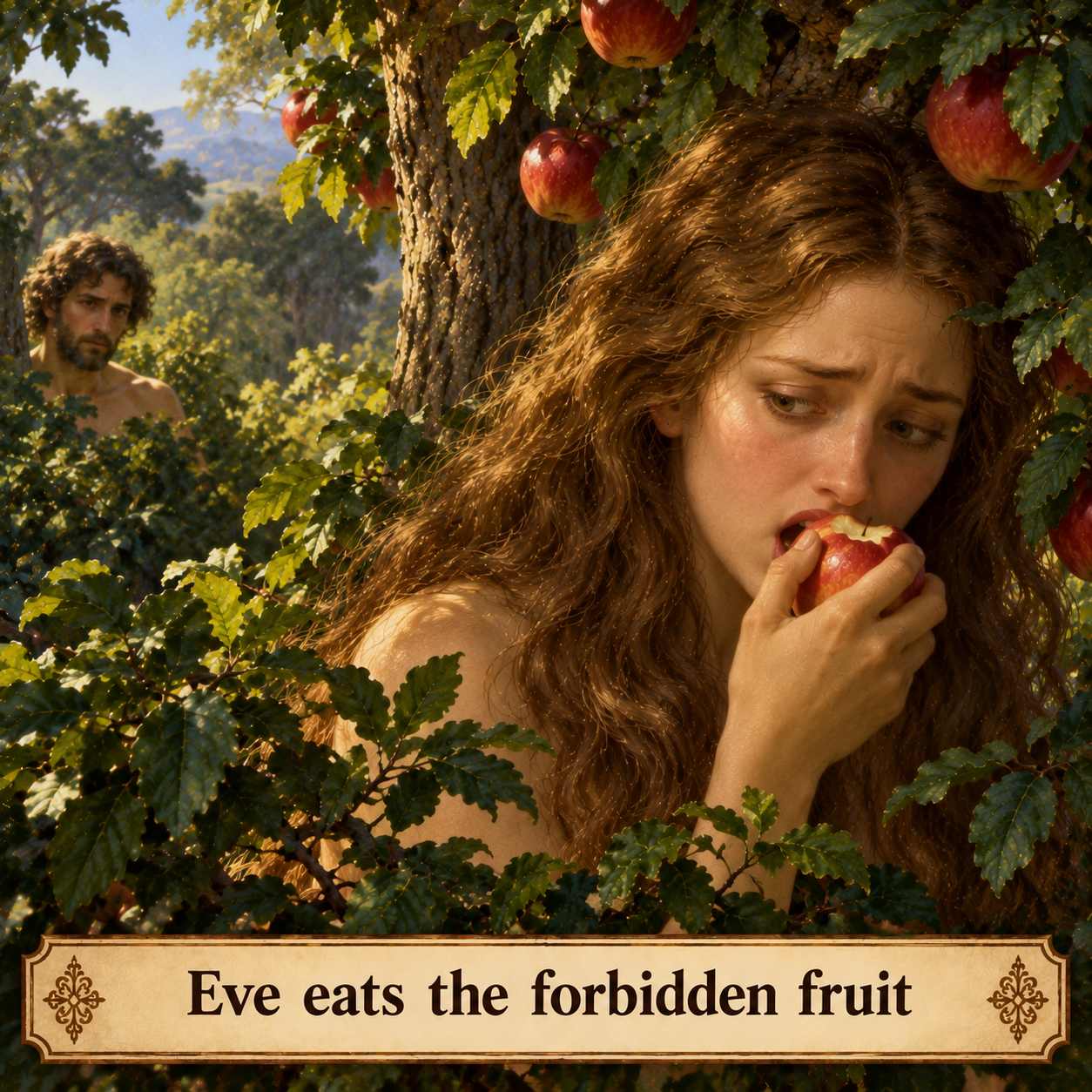
“On the day you eat, you shall die” (Genesis 2:17), the Lord said to our first parents, meaning that they would die spiritually, in their souls. They ate, and death entered their souls. First they died spiritually, and afterward they died physically as well. In other words, spiritual death entered the soul through the body, through the stomach. “He ate, was filled, and kicked against his God” (Deuteronomy 32:15), God said concerning the people of Israel. The body ate, and the soul denied the Lord. “He was dead” (Luke 15:32), Jesus said of the prodigal son (Luke 15:13). And Paul, speaking of the widow who lives a dissolute life, said: “But she who lives in pleasure is dead” (1 Timothy 5:6). By living dissolutely, she has died.
Paul called his emaciated body a “body of death.” “O wretched man that I am! Who will deliver me from this body of death?” (Romans 7:24). And in order to keep death out of his soul, he “tormented” his body. “Through severe ascetic exercises, I discipline my body” (1 Corinthians 9:27).
Yet Life also enters the soul through the body. The suffering of the body caused the prodigal son to “come to himself” and say, “How many of my father’s hired servants have bread to spare, while I am perishing here with hunger!” (Luke 15:17). “Although our outward man (the body) is continually wasting away, our inward man (the soul) is continually being renewed” (2 Corinthians 4:16), Paul said.
The manifestation of the Life of Christ in the soul of the Orthodox Christian “passes” through his body, that is, through bodily hardship. “We continually suffer bodily, thus participating in the death of the Lord Jesus, so that the life of the risen Jesus may be manifested in our person” (2 Corinthians 4:10, adapted). And again: “We are alive, yet we continually expose ourselves (through hardship) to the death of Jesus, so that the life of Christ may be manifested in our mortal body” (2 Corinthians 4:11).
And fasting holds the foremost place in this bodily hardship. For this reason, fasting is described by the Church as the “Queen of Virtues” (Triodion, Sunday of the Last Judgment, Doxastikon of the Praises). For the same reason, it is described as “the beginning of spiritual struggles” (Triodion, Cheesefare Sunday, Doxastikon of the Praises), implying that without fasting there can be no genuine, profound spiritual life.
After all, for us Christians, our example is Christ Crucified, not those who live to eat…
Next in this series: Why Does Fasting Forgive Sins?
Leave a Reply